Spirituality
Religion and philosophy in India
The ideas underneath the ritual — what the texts say, who disagreed about them, and what is interpretation rather than doctrine.
5 pages
Two things make this hard to read about. Most English-language writing on Indian philosophy is either a devotional text assuming you already believe, or a wellness product with Sanskrit vocabulary bolted on. Neither tells you what the argument actually was.
These pages take the texts as texts. The Upanishads disagree with each other. Śaṅkara, Rāmānuja and Madhva read the same sentences and reached different conclusions, and the differences are the interesting part. Where something is one school's reading rather than settled meaning, it is marked as such.
New to this? Start with these three
- HinduismHinduism has no founder, no single book and no central authority — only recurring questions, and traditions that answer them differently.
- VedāntaWhat Vedānta is, what its three main schools actually disagree about, and why "all is one" is one position within it rather than a summary of it.
- MeditationWhat meditation means in Indian practice — dhyāna, mantra repetition, self-inquiry and vipassanā — and how they differ from the secular version.
Everything in Spirituality
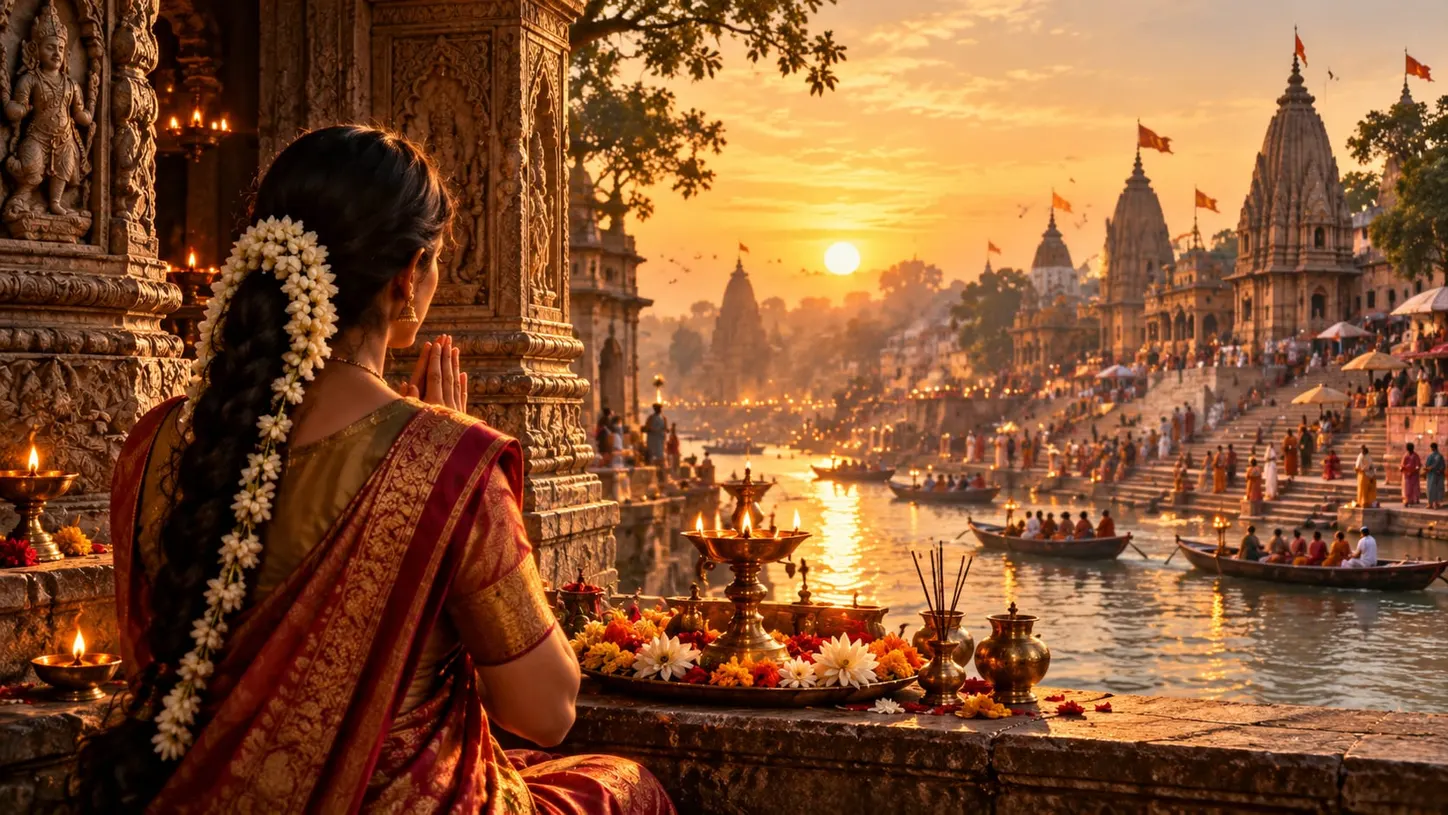 HinduismHinduism has no founder, no single book and no central authority — only recurring questions, and traditions that answer them differently.
 VedāntaWhat Vedānta is, what its three main schools actually disagree about, and why "all is one" is one position within it rather than a summary of it.
 MeditationWhat meditation means in Indian practice — dhyāna, mantra repetition, self-inquiry and vipassanā — and how they differ from the secular version.
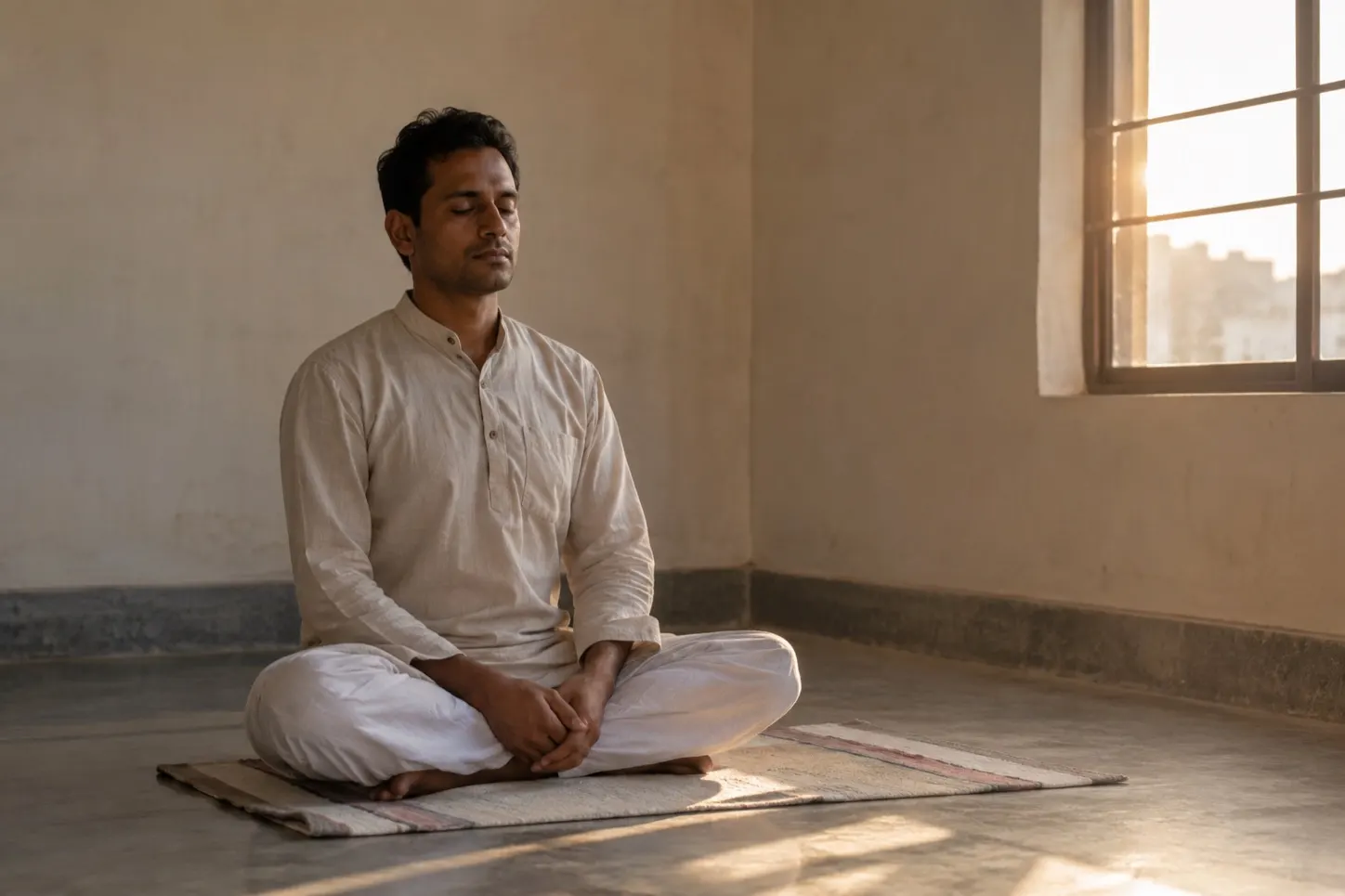 YogaWhat yoga means in the Yoga Sutras, why postures are one limb of eight and a minor one, and how stilling the mind became a global exercise practice.
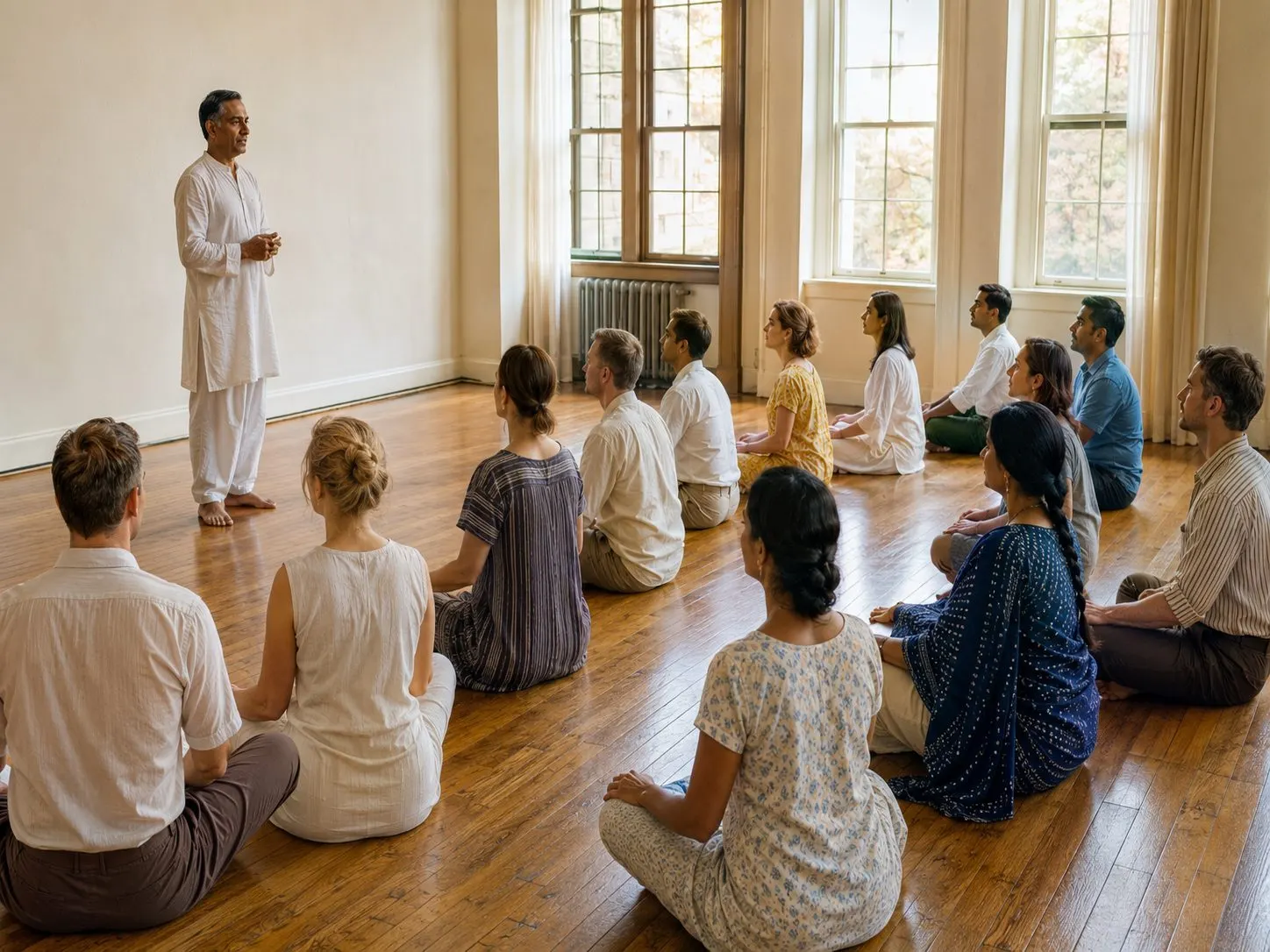 Yoga's journeyHow yoga became a global practice — Vivekananda in Chicago, the Mysore palace, and the point at which posture became the whole of it.
Questions people ask
Is this section religious instruction?
No. It describes what texts say, what different schools made of them, and where readings diverge. Where a question has been argued over for a thousand years, this site names the positions and does not pick one.
What is the difference between this section and wellness?
Spirituality covers the philosophy and the texts — what the Yoga Sūtras argue, what Vedānta claims about the self. Wellness covers practice on the body: āsana, prāṇāyāma, Ayurveda and diet.
Fact-checked by Ajay Gupta on 7 September 2026.
Something wrong here? Tell us — corrections are made in the open, and our editorial standards set out what checking a page involves.