Arts & Heritage
Indian arts and crafts — what is performed, and what is made
Two readers, one section: the parent who cannot explain the dance class, and the buyer who cannot tell a handloom from a print of one.
2 pages
This section covers what Indians perform and what Indians make, which are two subjects with two different readers.
The first is specific and common: a child in a Bharatanatyam class on a Saturday morning, and a parent who cannot explain what the class is teaching or where it came from. Those pages describe what you are actually seeing — the vocabulary of gesture, what the musician is doing, why a piece is structured the way it is.
The second is the craft: what a Banarasi sari is, what handloom actually means, what a GI tag does and does not guarantee, and how to tell a woven pattern from a printed one. Those pages exist because the difference is worth real money and almost nobody explains it.
What this section will not do in either half is give you the tourist-brochure summary of India's rich artistic heritage. It also does not sell you anything: where a page teaches you to tell handwork from a copy, that is the whole of its job.
Everything in Arts
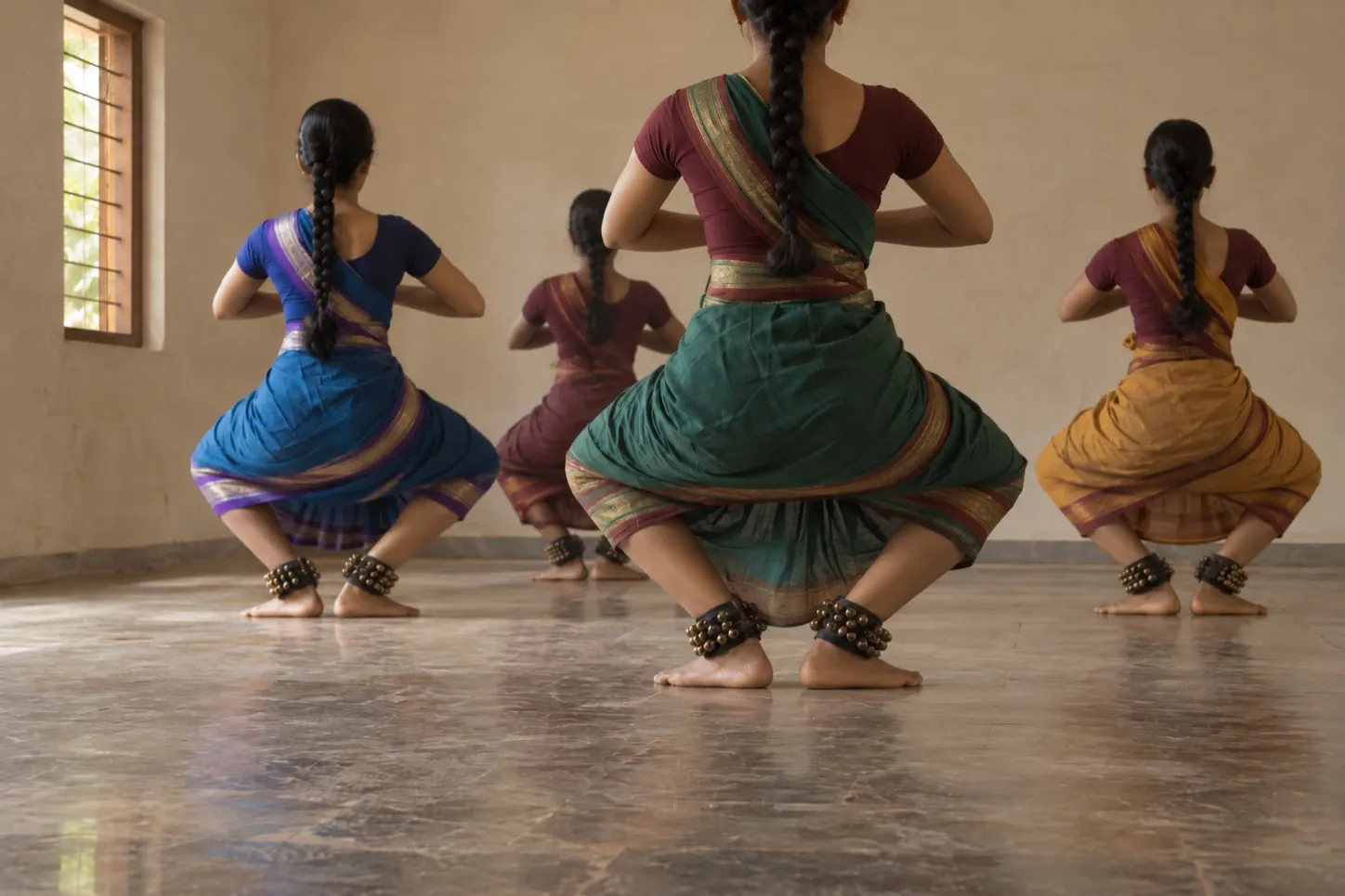 Classical danceThe eight classical dance forms — what distinguishes Bharatanatyam, Kathak and Odissi, what the gestures mean, and what an arangetram involves.
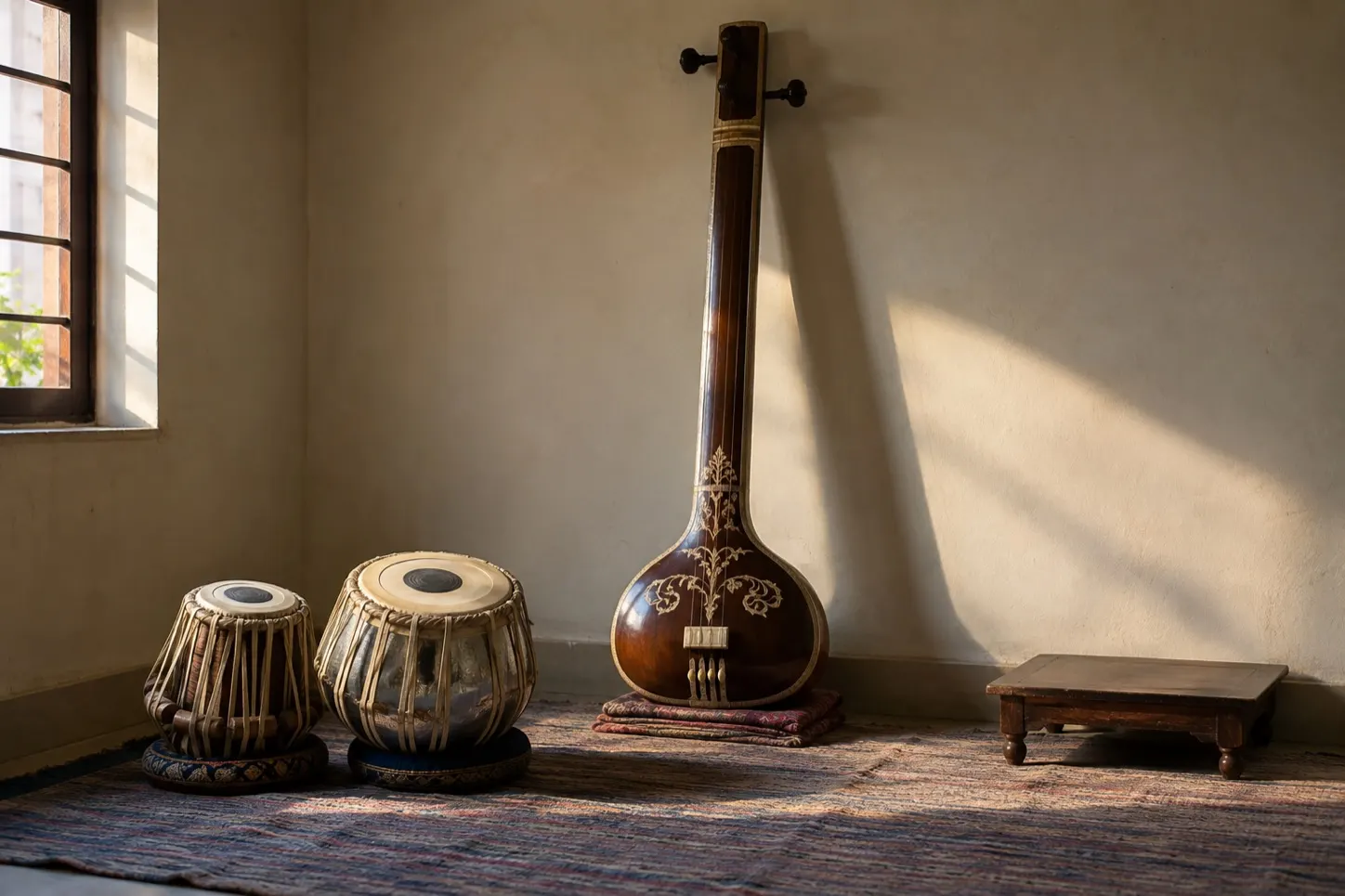 Classical musicWhat a raga is, what a tala is, how Hindustani and Carnatic music differ, how a concert is structured, and how to listen to a form with no written score.
Questions people ask
What is the difference between Hindustani and Carnatic music?
They share a common ancestry and split over several centuries, and they now differ in repertoire, in how a performance is structured, in the instruments used, and in the balance between composition and improvisation. The music page sets both out side by side.
Which classical dance form is oldest?
This is contested and the honest answer is that the question is badly formed. Several forms were codified in their present shape in the twentieth century from older temple and court traditions, and the reconstruction is itself part of their history.
Fact-checked by Ajay Gupta on 7 September 2026.
Something wrong here? Tell us — corrections are made in the open, and our editorial standards set out what checking a page involves.